

We’re big fans of “free” here at Skittish and base a lot of our recommendations around free alternatives for various software solutions to help small business market their products and services. (With the exception of free website builders, but we won’t get into that here!). Free email marketing software offers a great way for businesses to get started with email marketing with no financial commitment, only upgrading when their database reaches a certain size or when then need advanced features.
In this post we’ll look at 5 of the most popular free email marketing software packages, what they offer and which is right for you.
#1: MailerLite – our favourite
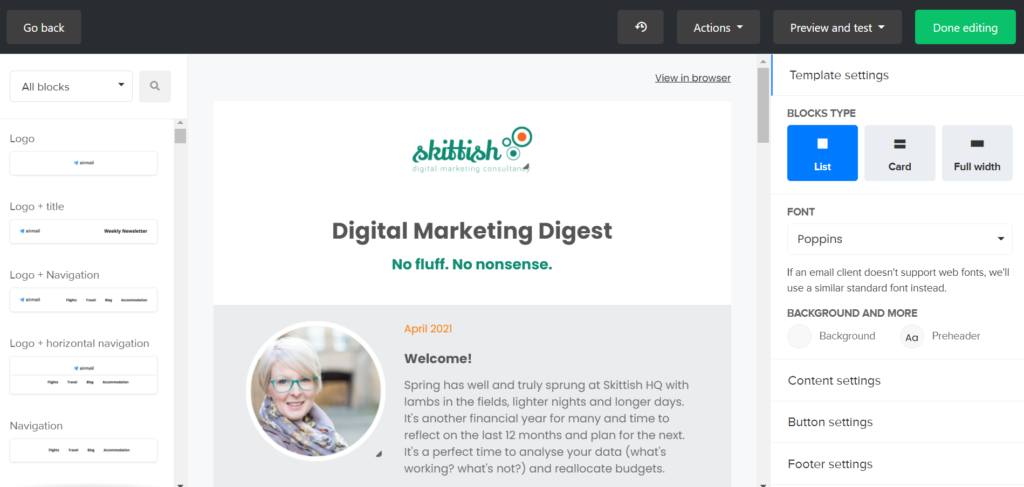
MailerLite offers a very robust set of features on their free plan with landing pages, signup forms, automations and an easy to use drag and drop editor. We use MailerLite here at Skittish after moving from MailChimp, and have to say we’ve been nothing but impressed with the free version. (Sign up below to get this content to your inbox each month!)
MailerLite comes with a great image editing feature so you can easily resize, crop and enhance images to ensure your emails look amazing!
You can have up to 1,000 contacts on your list and send up to 12,000 emails per month on the free plan.
#2: MailChimp – most popular
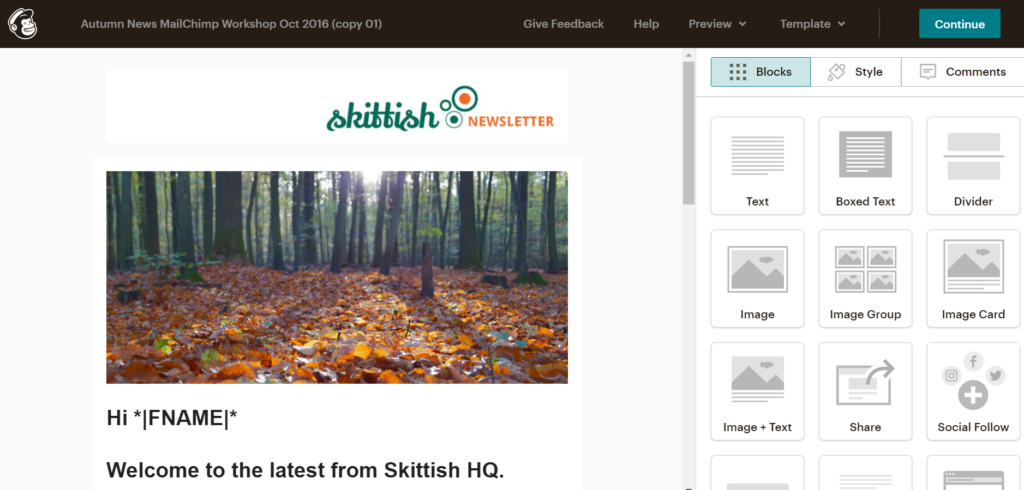
MailChimp has been around a long time and offers much of same features as MailerLite on their free plan with landing pages, signup forms, a basic CRM system and their Creative Assistant to help you produce stunning email designs.
MailChimp can also integrate with some of the more popular ecommerce platforms like Shopify to allow you to send transactional emails and report on sales revenue from your email campaigns.
MailChimp’s automation feature is quite basic, although they have a more advanced ‘Customer Journey’ feature which lets you create bespoke automations based on activity on your website, it’s currently only available on paid plans.
You can have up to 2,000 contacts on your list and 1 audience on the free version with the paid-for plans starting at $14.99 per month for 500 contacts, then increasing as your audience gets bigger.
#3: Sendinblue – email + SMS
Sendinblue is becoming more popular among small businesses who want to combine their email marketing with SMS marketing. Their platform has all the features you’d expect from email marketing software such as segmentation, automations, landing pages and sign up forms as well as the ability to send transactional emails and set up Facebook Ads.
However! The free plan is very basic; allowing you to create and send standard emails only. If you want to use their marketing automation feature or create landing pages, for example, you’ll need to pay for their Premium package which starts at £41.65 per month.
If you’re looking for automation, the ability to do A/B testing and build landing pages, Sendinblue isn’t for you if you’re looking for free software, so we’d recommend looking at one of the other platforms listed above.
The free plan allows you to have unlimited contacts in your list, but you’re restricted to sending 300 emails per day.
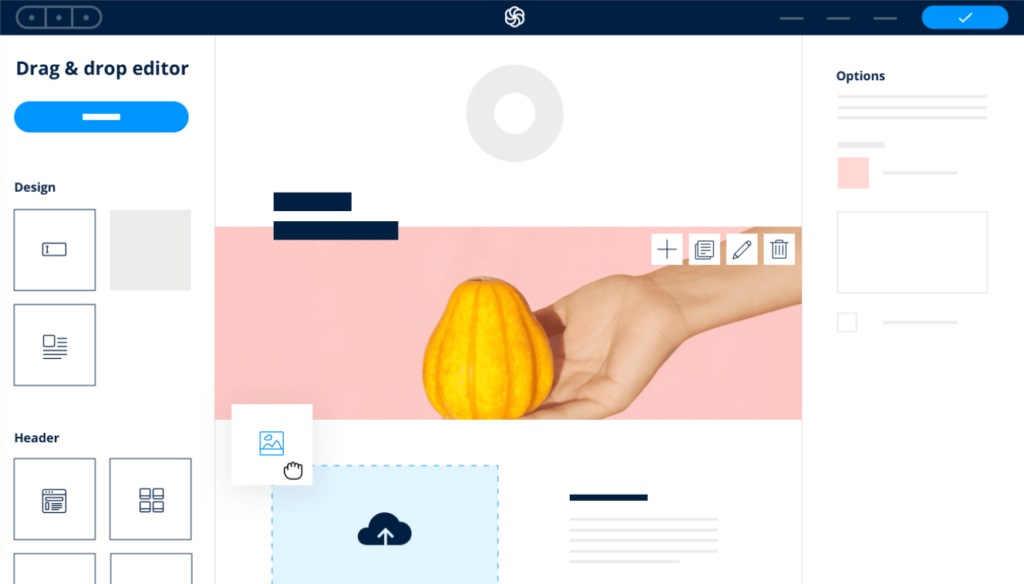
Image source: Sendinblue
#4: HubSpot – most scalable
HubSpot is somewhat of a giant when it comes to marketing automation and has a reputation for being expensive which can be off-putting for small businesses (their enterprise packages start from £30k/year!!). But, did you know, there are some features of HubSpot that are free? Their basic email marketing plan offers you a way to get started with email marketing for no financial investment. And, as HubSpot’s features are vast, the potential to scale-up in the future is limitless.
If you want to create automated email campaigns, however, you’ll need to upgrade to a paid plan.
The free plan allows up to 2,000 emails per month.

Image Source: Zapier.com
#5: Omnisend – best for ecommerce
Omnisend allows you integrate your ecommerce platform to create emails containing dynamic content from your online shop such as product details, prices and special offers. You can also segment your customers based on buying behaviour to create targeted campaigns.
Unfortunately, marketing automation and A/B testing are only available on a paid plan as are some of the more advanced features such as audience sync with Facebook and Google.
The free plan lets you send 15,000 emails per month (2,000 emails per day) so it’s perfect for smaller retailers.
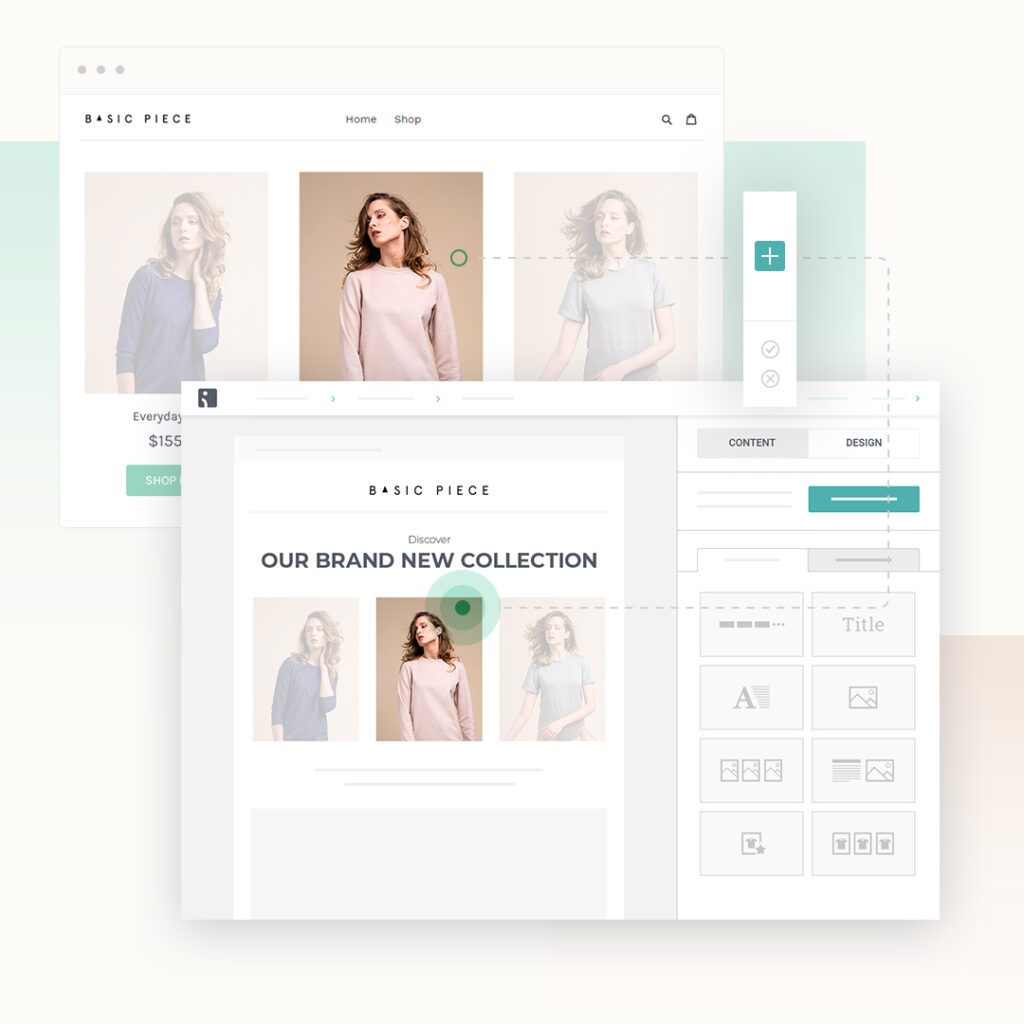
Image source: Omnisend
The bottom line
When choosing free email marketing software, it’s tempting to just look at the features and limits you get on the free package, however, we’d recommend thinking long term about the features you may need in the future as your business grows and ask yourself if this platform will grow with you. Also, consider the integrations available for each platform. You’ll want to make your life as easy as possible and your processes as streamlined as possible, so check whether your email software will integrate with your website platform and your CRM system, for example. If they’re not compatible, you could end up spending money on additional software to link them together which could work out more expensive than just choosing a different email marketing solution.
What’s your free email marketing software of choice and what do you like about it? Let us know in the comments!